Introduction: Why Acacia Wood Dining Tables Dominate the US Market
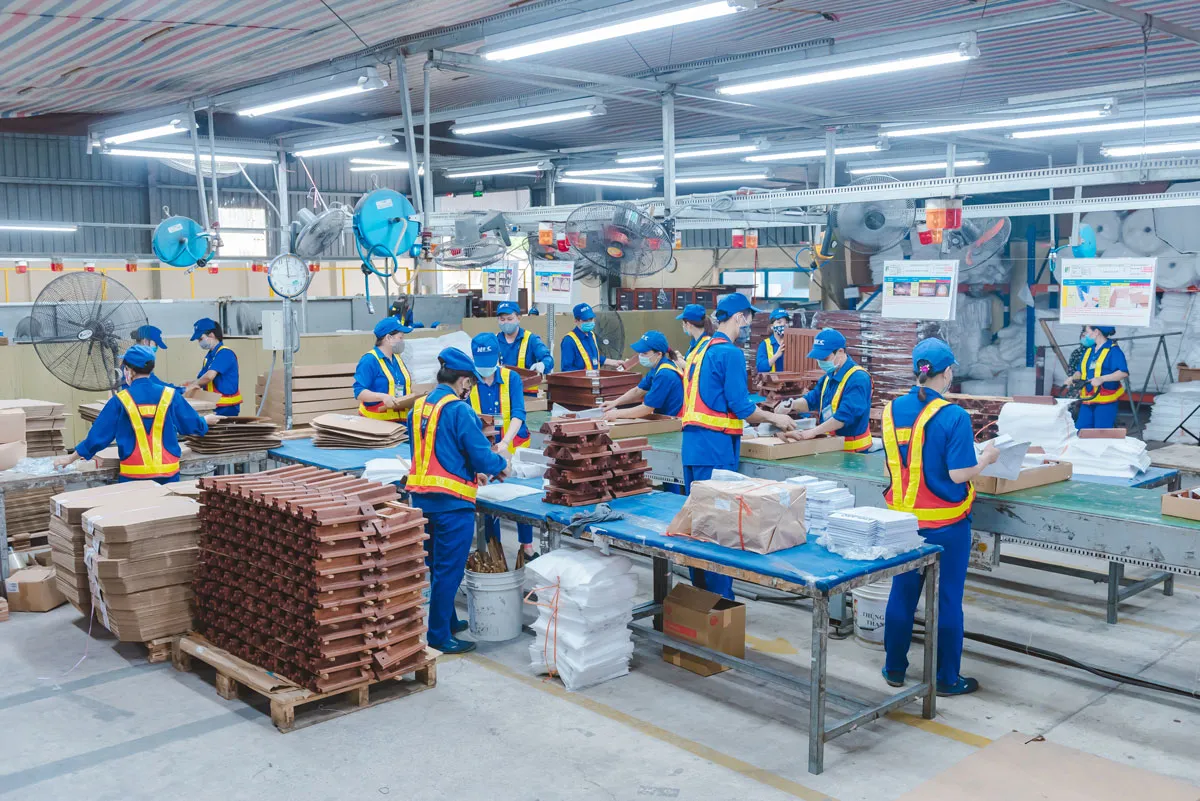
Acacia wood dining tables have become the go-to choice for US retailers, hospitality buyers, and commercial furnishers. The combination of natural durability, rich grain patterns, and competitive pricing has made solid acacia a preferred alternative to teak, oak, and veneered MDF. For US importers, sourcing an acacia wood dining table from Vietnam offers a distinct strategic advantage.
Vietnam is the world’s leading producer of FSC-certified plantation acacia, with mature forestry management ensuring consistent quality across every container shipment. Unlike Chinese manufacturers relying on imported timber, Vietnamese factories have direct access to domestic acacia plantations spanning over 400,000 hectares. This comprehensive guide covers everything US buyers need to know about sourcing dining table products from Vietnam from design specifications and material science to logistics and certification requirements helping you make informed sourcing decisions for your 2027 product lineup.
1. Market Demand: The Growing Appetite for Acacia Dining Furniture
US consumer demand for solid wood dining furniture has surged post-pandemic, driven by homeowners investing in quality pieces and hospitality chains refurbishing dining spaces.
Market Growth Statistics
| Metric | 2024 | 2025 | 2026 Est | 2027 Projected |
|---|---|---|---|---|
| US solid wood dining imports from Vietnam | $320M | $410M | $520M | $650M |
| Acacia share of Vietnam wood furniture exports | 38% | 42% | 47% | 52% |
| Average retail price premium acacia vs MDF | 35% | 30% | 28% | 25% |
| US households with outdoor dining space | 54% | 58% | 62% | 65% |
Key Market Drivers for 2026-2027
- Shift to outdoor living: 62 percent of US households now entertain outdoors at least monthly driving sustained demand for weather-resistant dining sets and patio furniture
- Tariff-driven sourcing shift: Vietnamese acacia furniture enters the US at 0 percent tariff under PNTR while Chinese furniture faces 25 percent Section 301 tariffs giving Vietnam a built-in cost advantage
- Sustainability mandates: Major retailers including Target Home Depot and Lowes require FSC certification for wood furniture imports favoring Vietnamese suppliers with certified acacia
- Commercial hospitality growth: Hotel chains and restaurant groups increasingly specify solid acacia for outdoor dining due to its durability to weight ratio and natural aesthetic
2. Design Versatility: Round vs Rectangular Acacia Dining Tables
Understanding the design preferences of US end-consumers is critical for determining your product mix. Two shapes dominate the market each serving distinct retail segments.
Rectangular Acacia Dining Tables
The classic rectangular acacia dining table remains the top seller for traditional and modern dining rooms. Its expansive surface area showcases the distinctive interlocking wood grain that makes acacia so visually appealing and accommodates larger families and gatherings.
B2B considerations for rectangular tables:
- Live-edge designs: These high perceived value pieces use the natural edge of the acacia slab creating a unique organic look. Live edge rectangular tables command a 40 to 60 percent retail premium over straight edge designs while adding minimal material cost
- Extension mechanisms: Butterfly leaf drop leaf and self-storing extension leaves add year round versatility. NAFOCO manufactures both standard and custom extension mechanisms designed for seamless integration
- Bench combinations: Matching acacia benches paired with rectangular tables are increasingly popular. This configuration reduces the per unit manufacturing cost while increasing the overall set value
- Mixed material trends: Metal legged tables with acacia tops target the industrial farmhouse aesthetic a strong sub category in the US market
Round Acacia Dining Tables
The round acacia dining table is experiencing a strong resurgence driven by smaller urban living spaces and the desire for more intimate dining experiences.
Why round works for US buyers:
- Superior flow in open plan layouts and smaller dining areas
- Pedestal bases maximize legroom and allow flexible seating configurations
- Preferred for breakfast nooks small patios and condo balconies
- Easier container packing when designed with removable pedestal bases
Sizing Trends in the US Market
| Table Type | Typical US Size | Best-Selling Finish | Average FOB Price | Container Qty per 40HQ |
|---|---|---|---|---|
| Rectangular | 72 x 38 inches | Natural oil or Walnut stain | $85 to $145 | 120 to 150 units |
| Round | 48 inch diameter | Teak oil or Clear lacquer | $65 to $110 | 180 to 220 units |
| Square | 42 x 42 inches | Grey wash | $60 to $95 | 160 to $200 units |
| Counter-height | 36 x 60 inches | Weathered grey | $95 to $160 | 90 to 120 units |
3. Indoor vs Outdoor: Critical Manufacturing Differences
A distinction that significantly impacts manufacturing specifications is whether the acacia wood dining table is intended for indoor or outdoor use. While acacia is naturally weather resistant compared to other hardwoods the treatment and construction required differ considerably.
Outdoor Acacia Dining Tables
The acacia outdoor dining table must withstand prolonged UV exposure rain humidity and temperature fluctuations exceeding 50 degrees Fahrenheit between seasons.
Key manufacturing requirements:
- Kiln-drying to 8 to 12 percent moisture content: Prevents warping and cracking. NAFOCO operates industrial scale kilns with digital monitoring across all three factories
- Weather-resistant sealants: Marine grade oil finishes or UV resistant PU coatings are essential. NAFOCO offers five outdoor grade finish options
- Stainless steel hardware: All connectors bolts and brackets must be 304 grade stainless steel to prevent rust
- Drainage design: Tabletops should incorporate micro slatted designs or subtle drainage channels to prevent water pooling
Indoor Acacia Dining Tables
Indoor dining tables prioritize visual aesthetics and tactile experience:
- Smoother sanding: Up to 220 grit for a silky smooth touch that enhances the natural wood feel
- Premium finishes: PU lacquer in matte semi gloss and high gloss NC lacquer natural wax and hand rubbed oil finishes
- Precision joinery: Dovetail joints hidden mortise and tenon and CNC machined leg attachments ensure long term structural integrity
- Matching collections: Indoor tables are designed as part of coordinated collections including benches sideboards and china cabinets
4. The Complete Dining Set Strategy
Retail data consistently shows that selling an acacia wood dining set table plus matching seating significantly outperforms selling individual tables and chairs separately.
Why B2B Buyers Choose Sets
- Coordinated design: Guaranteed color and grain match across all components. No customer complaints about finish inconsistencies
- Bulk packaging efficiency: NAFOCO engineers flat pack dining sets that nest components together reducing per unit shipping volume by up to 60 percent compared to assembled furniture
- Higher average order value: Dining sets retail at 2.5 to 3.5 times the price of a table alone dramatically improving per order revenue
- Reduced SKU complexity: One set SKU replaces multiple individual product codes simplifying inventory management for your warehouse and retail partners
For the acacia wood dining table and chairs combination NAFOCO provides full OEM customization on both elements: chair back designs seat heights cushion options including Sunbrella fabric and table edge profiles are all configurable per your specifications.
5. Material Science: Why Acacia Excels for Dining Applications
Acacia has a Janka hardness rating of 2300 lbf exceeding white oak at 1290 lbf and teak at 1155 lbf. Its natural oils provide inherent resistance to moisture decay and insect damage making it exceptionally suited for dining furniture.
The Sustainability Advantage
Acacia is a fast growing plantation hardwood that reaches harvest maturity in 7 to 8 years compared to 30 to 60 years for teak or oak. This rapid growth cycle combined with Vietnam managed plantation forestry makes FSC certified acacia one of the most sustainable choices for volume furniture production.
NAFOCO directly manages 1200 hectares of FSC certified acacia forests providing full Chain of Custody documentation with every shipment.
6. Quality Standards US Buyers Must Verify
When sourcing an acacia wood dining table from any manufacturer US buyers should verify four critical quality parameters:
Moisture Content
Furniture grade wood must be kiln dried to 8 to 12 percent moisture content. Higher levels cause cracking warping and finish failure in climate controlled US homes.
Joint Strength
All load bearing joints must use mortise and tenon dowel reinforcement or metal bracket construction. Avoid suppliers relying on stapled or glued only joints.
Finish Testing
Request UV resistance water bead and scratch resistance test reports. Reputable manufacturers provide standardized test data for each finish option.
FSC Certification
Verify the supplier FSC Chain of Custody certificate covers your product categories. NAFOCO holds FSC CoC across all three factory locations.
7. Lead Times and Logistics: Vietnam to US
| US Destination Port | Transit from Hai Phong | Frequency |
|---|---|---|
| Los Angeles / Long Beach | 24 to 26 days | Weekly |
| Seattle / Tacoma | 22 to 24 days | Weekly |
| New York / New Jersey | 30 to 34 days | Bi-weekly |
| Savannah / Charleston | 31 to 35 days | Bi-weekly |
Container optimization for dining tables:
- RTA flat pack design reduces shipping volume by up to 60 percent
- Standard 40HQ holds approximately 80 to 120 dining sets depending on design
- Mixed container programs available combining tables chairs benches and bar stools
8. OEM vs Stock: Choosing the Right Sourcing Model
OEM Custom Manufacturing
Full control over design dimensions finishes and branding. Best for established brands exclusive retail programs and hospitality contracts. MOQ starts from 200 to 500 units per design. Lead time 30 to 45 days from order confirmation including tooling and sample approval.
Stock Product Sourcing
Standard designs shipped from existing production runs. Best for new market entrants small volume testing and catalog fill ins. MOQ starts from 50 to 100 units. Lead time 15 to 20 days from order confirmation.
NAFOCO offers both sourcing models with full quality assurance and FSC documentation on every shipment.
FAQ
Q: Is acacia wood strong enough for commercial dining applications? A: Yes. Acacia has a Janka hardness rating of 2300 lbf exceeding white oak at 1290 lbf and teak at 1155 lbf. It is suitable for high traffic hospitality environments.
Q: What is the minimum order quantity for OEM acacia dining tables? A: NAFOCO offers flexible MOQs starting from 50 units for standard designs. Custom OEM designs require 200 plus units depending on complexity.
Q: How long does it take to produce an OEM acacia dining table order? A: Lead time is typically 30 to 45 days from order confirmation including tooling sample approval and production.
Q: Can I mix different dining table sizes in one container? A: Yes. NAFOCO offers mixed container programs combining rectangular round and square tables in a single 40HQ container.
Q: What finishes are available for acacia dining tables? A: Natural oil teak oil PU lacquer in matte semi gloss and gloss NC lacquer wax whitewash and custom color staining.
Q: What shipping documentation is provided? A: NAFOCO provides FSC Chain of Custody documentation commercial invoice packing list bill of lading and certificate of origin.
Q: Does NAFOCO provide pre-production samples? A: Yes. Sample lead time is 7 to 14 days depending on design complexity.
Ready to Source Acacia Dining Tables from Vietnam?
NAFOCO has been manufacturing high quality acacia wood furniture for global brands since 1991. As an IKEA approved supplier with FSC ISO 9001 BSCI and C-TPAT certifications we deliver container volume production with consistent audited quality.
Request OEM Proposal | View Our Capabilities
Related Insights
Ready to De-Risk Your Supply Chain?
NAFOCO has been a trusted manufacturing partner for global furniture brands since 1991. Let us show you how easy the transition can be.